Gorkha
Flagship hill farm
 SHUBHAAGROTOURISM FARM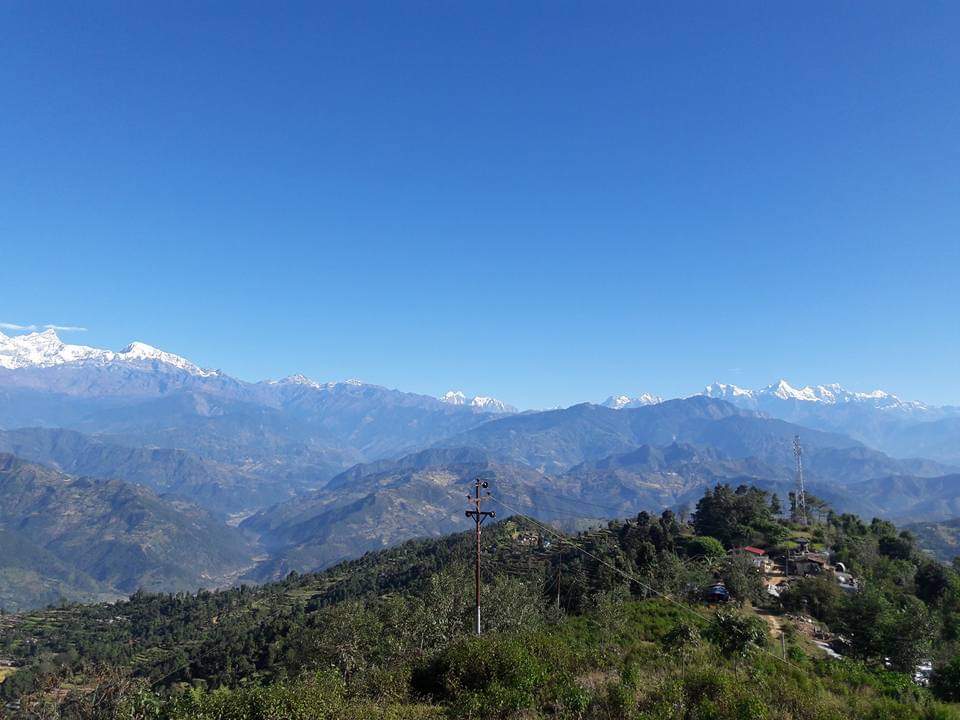
Rooted in Nepal. Open to the world.
A living network of farms where regenerative agriculture, rural hospitality and global education grow together.
More than a destination
Shubha connects working farms with curious travellers, students, researchers, local entrepreneurs and communities.
Beginning in Pipalthok, the project brings agriculture, livestock, apiculture, poultry, hospitality, local culture and artisanal production into one living destination.
Accommodation, food, farm goods, workshops and educational visits create complementary livelihoods while opening roles in growing, animal care, guiding, hospitality, making and maintenance.
Explore the farm vision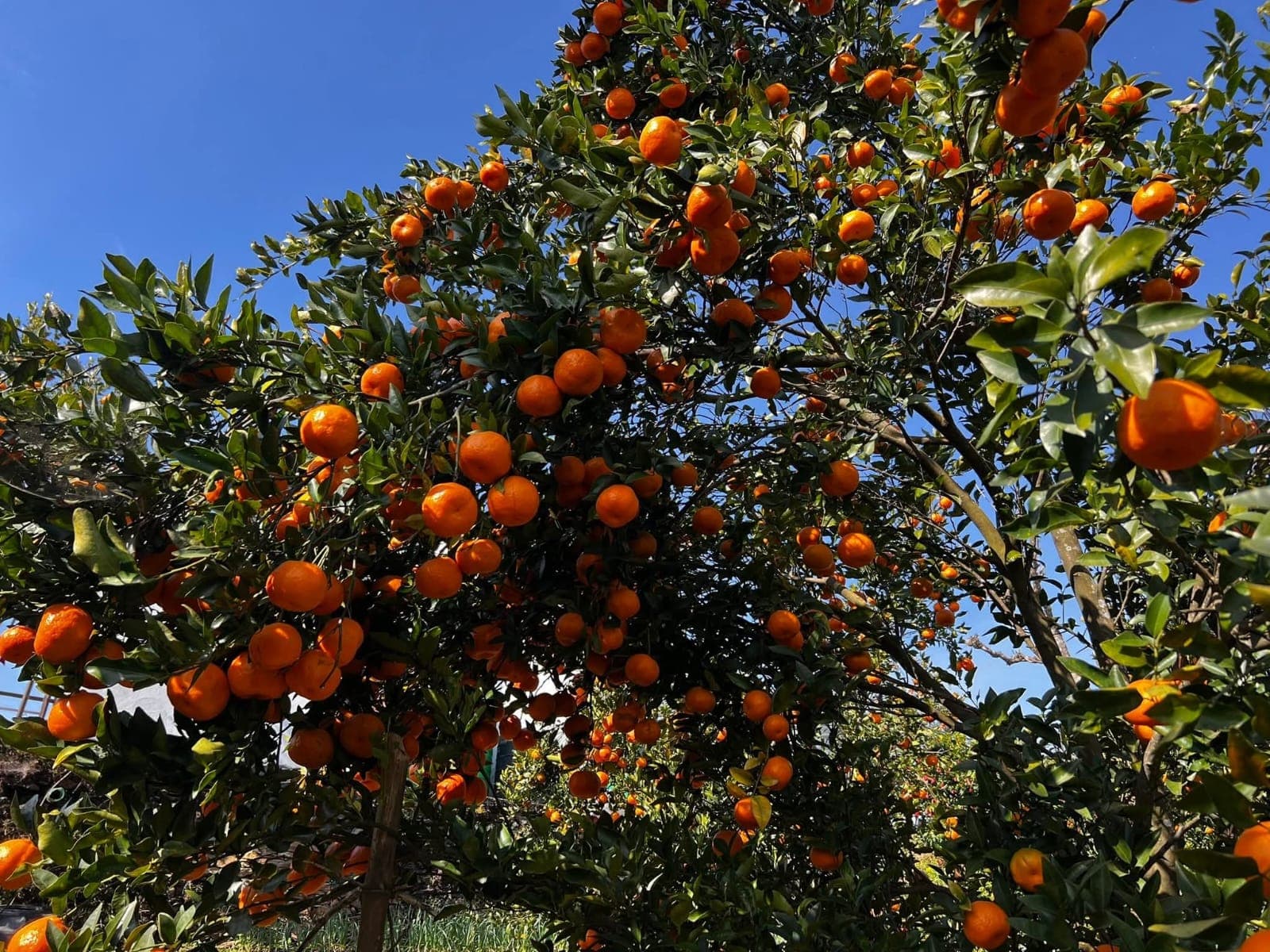 Harvest season · Gorkha
Plant and animal materials return to the soil through composting, while wood, paper, metal and beeswax help reduce unnecessary plastic.
Distinct landscapes, one purpose
Each hub responds to its own climate, crops and community—connected by one shared standard for learning and stewardship.
Flagship hill farm
Highland learning farm
Terai innovation farm
Biodiversity campus
Mountain field station
Community farm hub
National + international cohorts
A student learning hub that turns real landscapes into practical, interdisciplinary classrooms.
Guided farm visits and hands-on workshops for young learners.
Research, academic collaboration and community projects.
Practical skills shared across regions and borders.
Agri-enterprise experiments, product development and mentoring.
A living, integrated farm
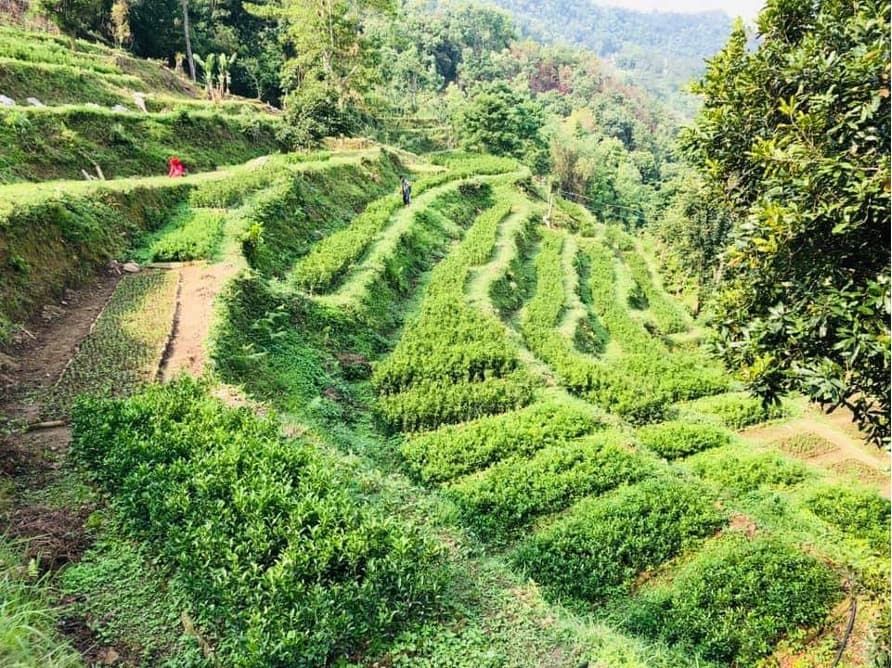
The crop and livestock plan is intentionally diverse. Food, fibre, botanicals and animal systems support hospitality, education, farm products and healthier soil.
Coffee, orange and lemon anchor the farm, with apple, apricot, plum and peach considered for suitable growing zones.
Coriander, mint, mustard, sunflower, corn, millet, potato, ghiraula and shiitake mushrooms support the kitchen and farm shop.
Hibiscus, lavender, marigold, tulsi, rosemary, lemongrass and butterfly pea become teas, infusions and workshop materials.
Satuwa, timur, Malabar nut, kutki, jatamansi, chiraito and other local plants are explored with responsible cultivation and expert guidance.
Buffalo, goats, poultry, honey bees and Angora rabbits support dairy, eggs, honey, fibre, learning and nutrient cycling.
Phased development roadmap
Essential infrastructure comes first. Crops, animals, hospitality and cultural spaces are then introduced in stages so operating capacity and community benefit can grow together.
Prioritize essential guest facilities, soil and water systems, early crops, apiary activity and a safe, welcoming farm environment in Pipalthok.
Introduce livestock gradually, close compost loops, expand plant diversity and create practical spaces for demonstrations and making.
Add farm stays, an artisanal café, local-house-inspired structures, cultural spaces and a richer calendar of educational visits.
Develop learning partnerships and future hubs while strengthening audits, governance and the systems needed to evaluate eventual public-market readiness.
Capital requirements, operating forecasts and investment terms are intentionally reserved for a later planning stage and formal due diligence.
Not simply a place to stay
Designed for school groups, Nepali families, international visitors, researchers and thoughtful rural travellers.
From the farm
Glimpses of the landscapes, harvests and daily practices already shaping our flagship work in Gorkha.

Come grow with us
Students, educators, farmers, travellers, institutions and responsible investors—let's build the next chapter together.
Start a conversation